

Faculty Sponsor: Professor Lindsay Dolan
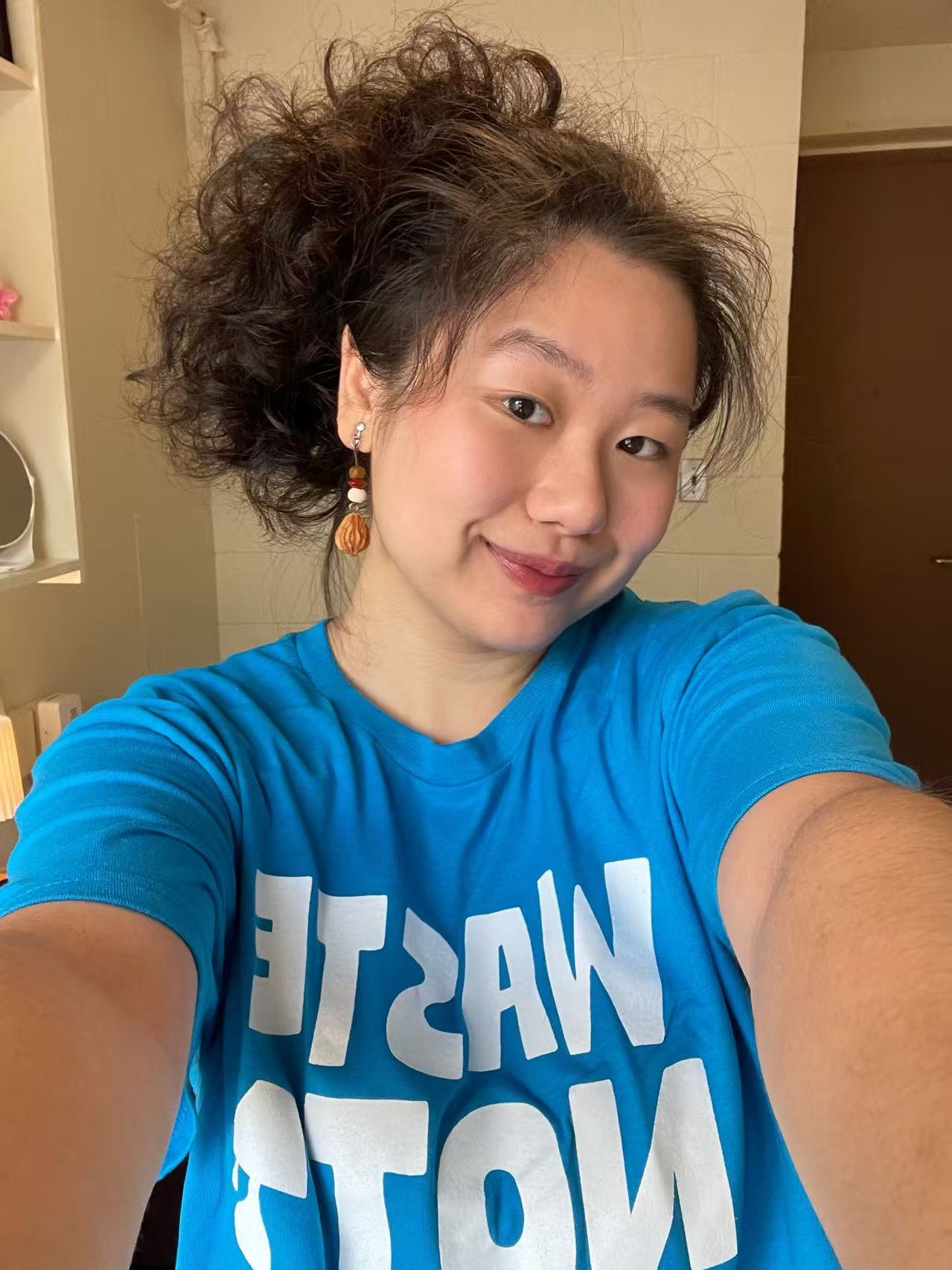
Ana Li
Ana Li is a rising junior majoring in Government with minors in Global Engagement and Data Analysis. Originally from China, her research focuses on ethical and effective international development, with a particular interest in China’s overseas financing. On campus, Ana leads The Foster Connection, contributes to the Wesleyan Refugee Project, works as a Cross-Cultural Learning Assistant, and co-founded the Cantonese Language Table. Looking ahead, Ana is excited to explore careers and academic paths that bring together international development, data, and community-centered initiatives.
Abstract: Does the World Bank sanction individuals and companies differently for procurement misconduct? Existing research on the World Bank sanctions system has primarily focused on legal design, institutional reform, and enforcement mechanisms, while treating sanctioned entities as a relatively homogeneous category. This study shifts the unit of analysis to sanctioned actors themselves, examining whether entity type is systematically associated with differences in sanction severity. Whether sanctions differ across individuals and companies provides potential insight into how the World Bank allocates accountability for procurement misconduct and enforces integrity in development projects. Using the World Bank’s Listing of Ineligible Firms and Individuals (2003–2026), this study analyzes 1,519 sanctioned entities and evaluates sanction severity across two dimensions: the likelihood of receiving permanent debarment and the duration of fixed-term sanctions. The results show that individuals are significantly more likely to receive permanent debarments than companies and are subject to debarments approximately 9.5% longer in duration among entities receiving fixed-term temporary sanctions. These findings are robust to country and year fixed effects, cross-debarment controls, and country-level clustering. However, they do not hold in the 2014–2023 subsample, which is restricted to years with variation in sanction types, meaning that the individual–company gap may be driven by the changing composition of sanctions over time rather than by entity type itself.